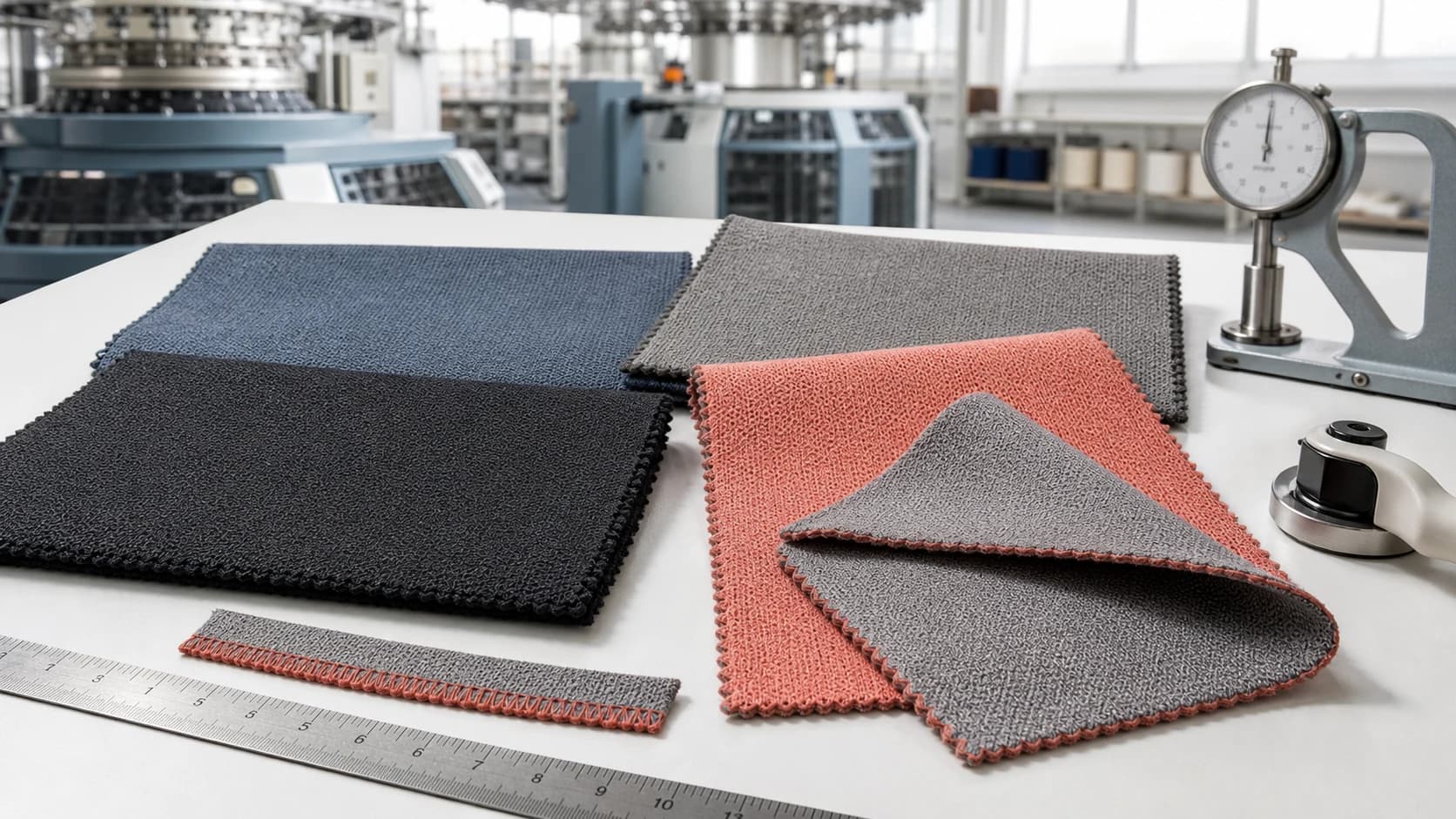
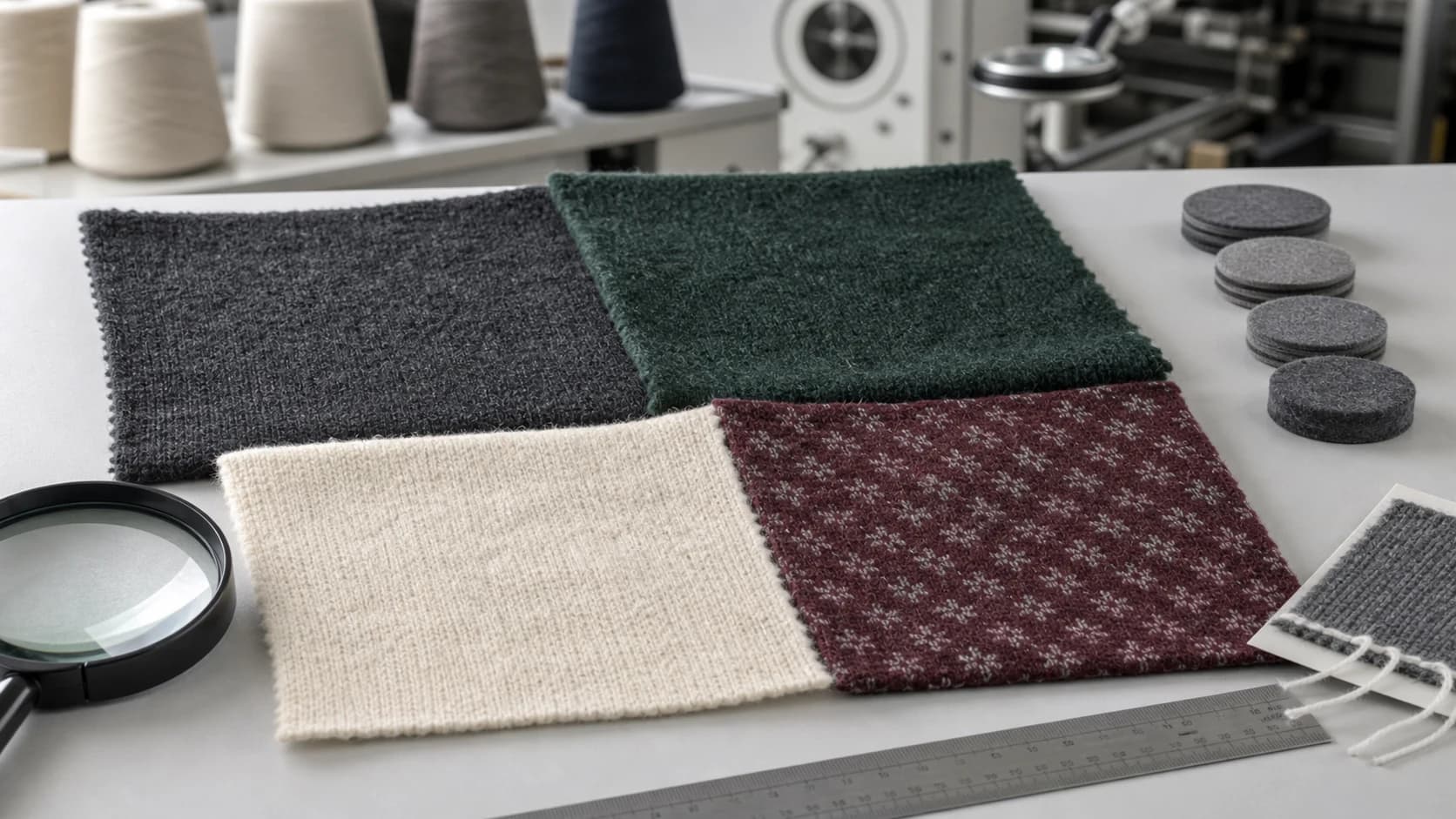
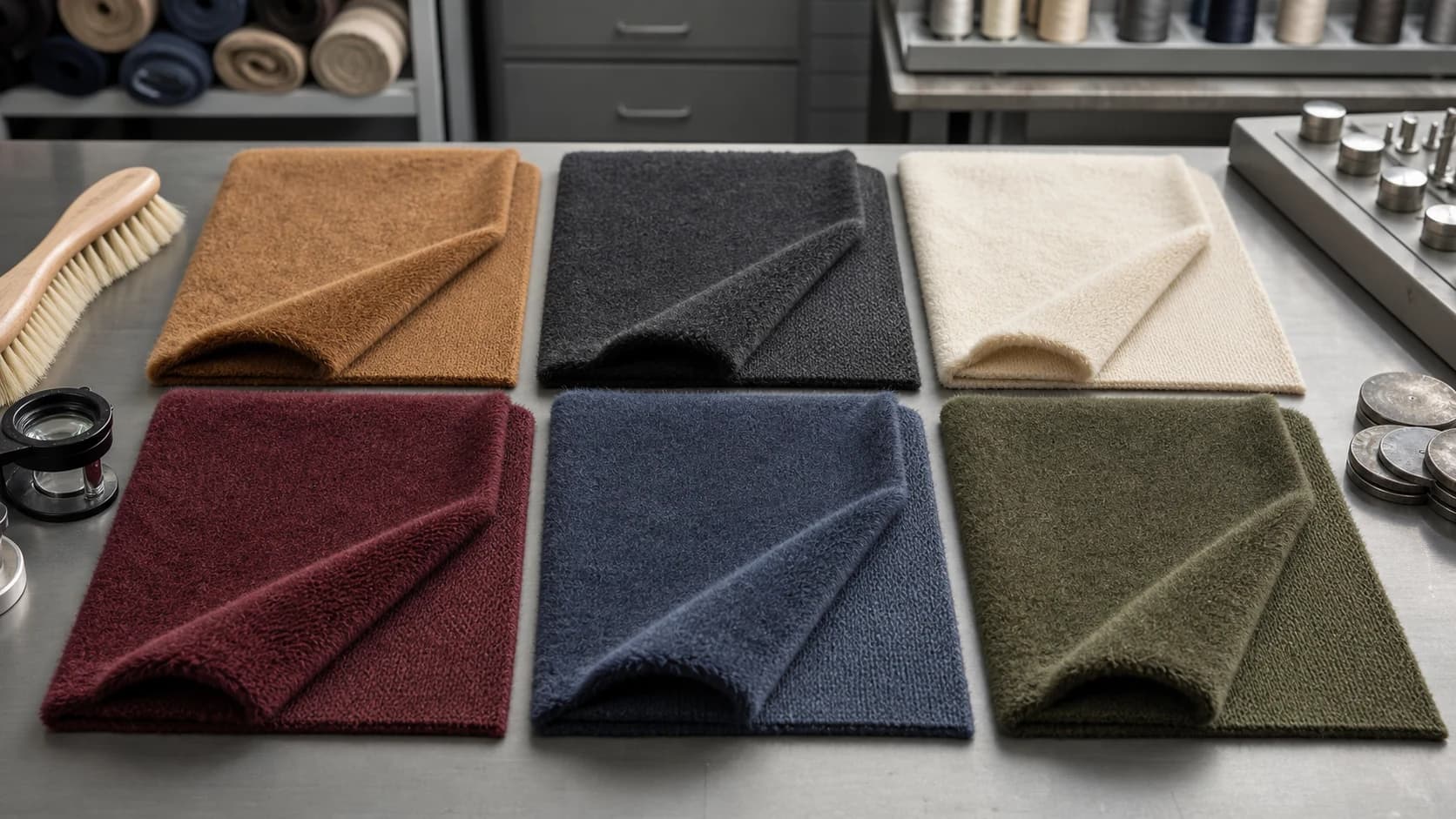
Air-layer
45% polyester, 25% combed cotton, 24% modal, 6% elastane
Weight300GSM
Width160cm
O'RANGE FABRIC COLLECTIONS
Start with the fabric character.
Find the specification that fits.
Three focused collections, from air-layer structures to wool blends and expressive surfaces.
View all fabricsThe article index
Compare the details. Add relevant articles to your sample selection.
Air-layer
45% polyester, 25% combed cotton, 24% modal, 6% elastane
Weight300GSM
Width160cm
Yarn-dyed wool-blend air-layer
67.6% polyester, 13.6% viscose, 7.7% nylon, 5.3% acrylic, 4.1% elastane, 1.7% wool
Weight360GSM
Width160cm
Structured polyester-viscose
85% polyester, 12% viscose, 3% elastane
Weight420GSM
Width160cm
Faux-cashmere
27.7% polyester, 20.7% nylon, 48.5% viscose, 3.1% elastane
Weight280GSM
Width155-160± cm
Acrylic-wool
47.8% polyester, 26.3% viscose, 13.3% nylon, 9.1% acrylic, 3.5% wool
Weight240GSM
Width170-175cm
Lyocell-acetate-wool composite
86.7% polyester, 6.9% viscose, 4.4% lyocell, 1% wool, 1% acetate
Weight250-260GSM
Width165cm
Acetate brushed
65.7% polyester, 19.2% viscose, 11.1% lyocell, 2.5% wool, 1.5% acetate
Weight250GSM
WidthConfirm usable width
Lyocell-acetate-wool texture
74.3% polyester, 11.1% viscose, 9.4% lyocell, 2.2% elastane, 2% acetate, 1% wool
Weight260GSM
WidthConfirm usable width
Specifications are catalogue references. Confirm the current sample, colour, quantity and availability with your inquiry.
Custom development
A reference sample, a garment brief or a particular hand feel. Start with what you have, and outline the fabric you need.
Explore custom developmentChoose a collection and compare article specifications.
Shortlist the articles that fit your development brief.
Discuss the sample, colour, quantity and testing requirements.
Explore construction guidance, manufacturing capabilities and sample approval before confirming an article. Availability, colour and commercial terms are confirmed with your inquiry.
Each public record identifies a finished-fabric article and its documented composition, GSM, usable width and series. These facts help a buyer shortlist a construction before requesting a sample. Article names describe a sourcing direction; they do not establish stock, colour, price, lead time or a certified performance result.
Hand feel, colour, surface finish, stretch, recovery and garment performance depend on the approved sample and intended processing route. They are not inferred from an article name alone. Confirm whether weight and width refer to the finished, relaxed condition and whether the requested colour or finish changes those measurements.
Send the closest article number with garment use, target specification, colour, quantity, destination and testing requirements. Sales can then confirm sampling, live availability and commercial terms. If a field is unconfirmed in the catalogue, keep it as a confirmation request instead of treating a missing number as a specification.
Begin with garment behaviour: define the garment type, silhouette, season, target hand feel and care route before comparing fibre percentages. A close-fitting top may prioritise stretch, recovery and opacity, while a hoodie may prioritise body, warmth, surface character and seam behaviour.
The same composition can perform differently when yarn, knit construction, density and finishing change. Compare article number, composition, GSM and usable width under the same conditions, then review surface appearance, drape, shrinkage, pilling and colourfastness against the intended market.
Keep the selected article number together with the approved colour, finish, measured GSM, usable width, test requirements and sample date. Add the intended order quantity, delivery destination and documentation needs before requesting final commercial confirmation.
If a requirement changes, identify the changed field and retain the superseded value. This gives sampling and bulk discussions an evidence trail to the correct revision; the approved sample establishes the working standard.